Custom vs Template Websites: What You’re Really Paying For
When comparing website options, most people hear the same two terms.
Custom or template.
At first glance, the difference seems simple. One is more expensive, one is more affordable. But the real difference is not just in how the website is built.
It is in how it works for your business.
What a template website really is
A template website is built from a pre-designed layout.
It comes with:
A fixed structure
Pre-set sections
A general style
You replace the text and images, adjust a few settings, and the site is ready to go.
This approach is fast and cost-effective. It works well for simple needs and can be a good starting point.
Where templates can fall short
Templates are designed to work for many types of businesses. Because of that, they are not built around any specific one.
That often leads to:
Generic layouts
Messaging that does not feel tailored
Limited flexibility when your needs change
The result is a site that looks complete, but does not fully support your goals.
What “custom” actually means
Custom does not always mean building everything from scratch.
It means the decisions behind the website are made specifically for your business.
That includes:
Structure based on your goals
Layout designed around your content
Messaging that reflects your positioning
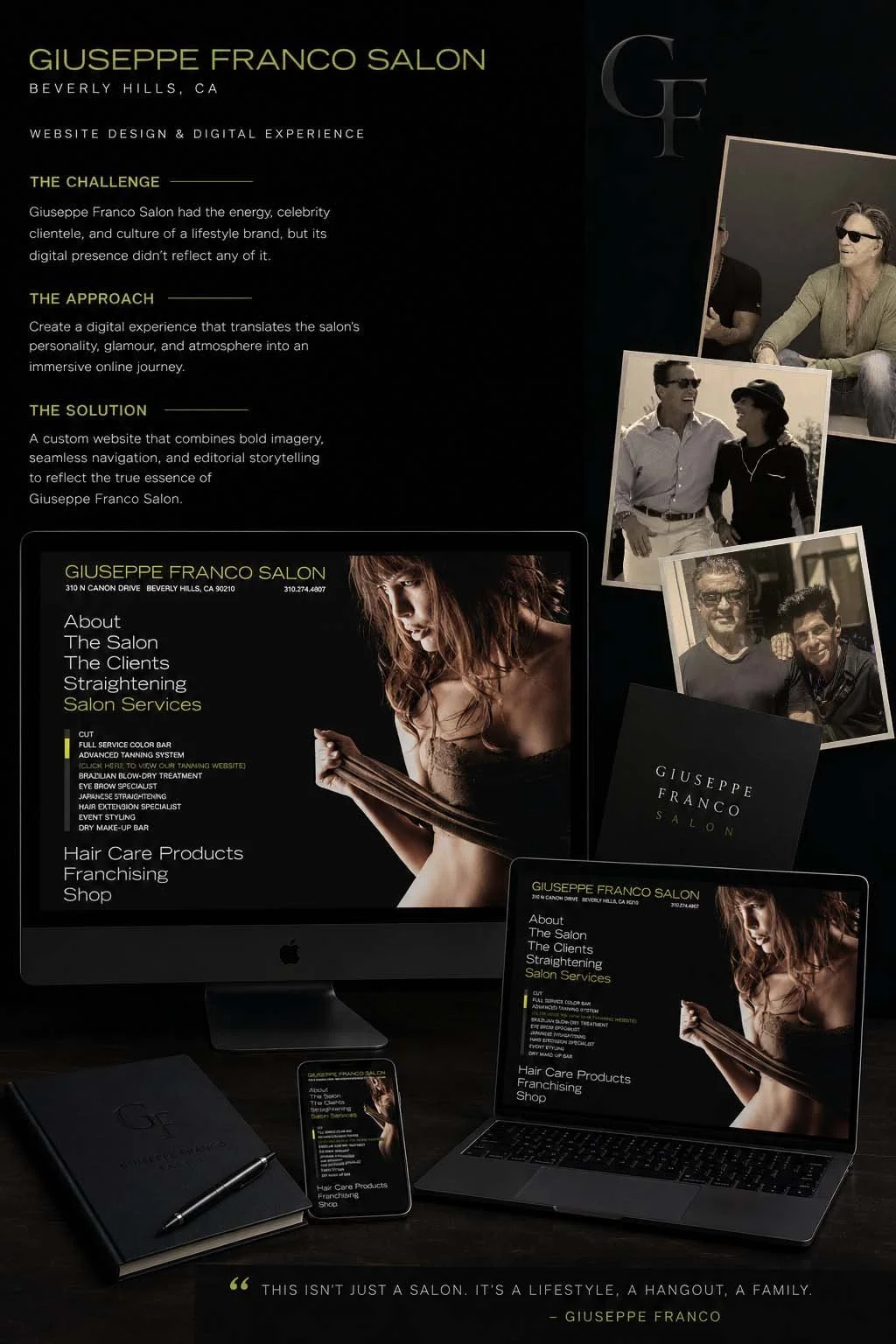
In many cases, platforms like Squarespace are still used. The difference is how they are used.
Instead of starting with a finished template, they are treated as a foundation.
The structure is adjusted, sections are rethought, and the design is shaped around your business rather than the other way around.
The key difference
A template gives you a starting point.
A custom approach builds around intention.
Both may use the same platform. The outcome is very different.
What you are actually paying for
When you invest in a custom website, you are not just paying for design.
You are paying for:
Thought behind the structure
Decisions that guide the user
Clarity in how your business is presented
This is what helps a website move beyond looking good and start working as part of your business.
When a template makes sense
A template can be the right choice when:
You need something quickly
Your budget is limited
Your website is not a primary sales tool
You are still figuring out your direction
In these cases, simplicity and speed are more important than customization.
When a custom approach matters
A more intentional build becomes important when:
Your website represents your brand at a higher level
You rely on it to attract and convert clients
You want to stand out in a competitive space
You expect your site to grow with your business
At that point, the structure and decisions behind the site begin to matter more than the starting point.
A simple way to think about it
A template is a ready-made layout.
A custom website is a tailored solution.
They may look similar on the surface, but they are built in very different ways.
Final thought
The choice is not about which option is better in general.
It is about which one fits where your business is right now.
For some, a template is enough. For others, it becomes a limitation very quickly.
Understanding that difference is what leads to the right decision.
See real examples of custom-built websites and how design decisions change the final result.