The Power of Storytelling on Your Website (and How to Do It Right)
A lot of business websites focus only on information. They explain services, pricing, features, packages, and qualifications. All of that matters. But information alone usually is not what makes people remember a business.
People connect more strongly with stories than facts. A good story helps visitors understand who you are, what you stand for, and why your business feels different from everyone else offering similar services.
WHY STORYTELLING MATTERS IN BUSINESS
People rarely make decisions based on logic alone.
Trust, emotion, relatability, and connection influence decisions. Storytelling helps create that connection.
Good storytelling can:
Make a brand feel more human
Build trust faster
Increase engagement
Improve brand recognition
Help visitors remember your business
Make marketing feel less generic
This is especially important online, where visitors often decide how they feel about a business within seconds.
WHAT STORYTELLING ACTUALLY MEANS
Storytelling does not mean turning your website into a long autobiography. Most visitors are not looking to read your entire life story.
Good storytelling is usually much simpler than people think.
It means helping people understand:
Why the business exists
What problem you care about solving
What makes your perspective different
Who you help
What working with you feels like
Storytelling gives context to the business. Without that context, many websites feel interchangeable.
WHERE MOST BUSINESS WEBSITES GET STORYTELLING WRONG
A lot of businesses either say almost nothing personal or make the entire website about themselves.
Neither approach works very well.
Here are the biggest mistakes:
1. ONLY TALKING ABOUT FEATURES
Many websites focus heavily on services, tools, technical details, and deliverables.
But visitors usually care more about outcomes and experiences.
They want to understand:
how you help
what working with you feels like
why they should trust you
2. MAKING THE STORY TOO LONG
Some businesses overload their website with unnecessary background information.
Most visitors skim quickly.
The story should feel:
clear
relevant
concise
connected to the customer
Good storytelling adds clarity. It should not create more work for the visitor.
3. SOUNDING TOO CORPORATE
Overly formal language usually weakens connection.
Many businesses try to sound larger or more “professional,” but websites often perform better when they sound human and conversational.
People connect with personality more than generic corporate tone.
4. FORGETTING THE CUSTOMER IS PART OF THE STORY
The business is not the only focus.
Good storytelling helps the visitor see themselves in the process.
The website should make it clear:
who the service is for
what problems it solves
how life or business improves afterward
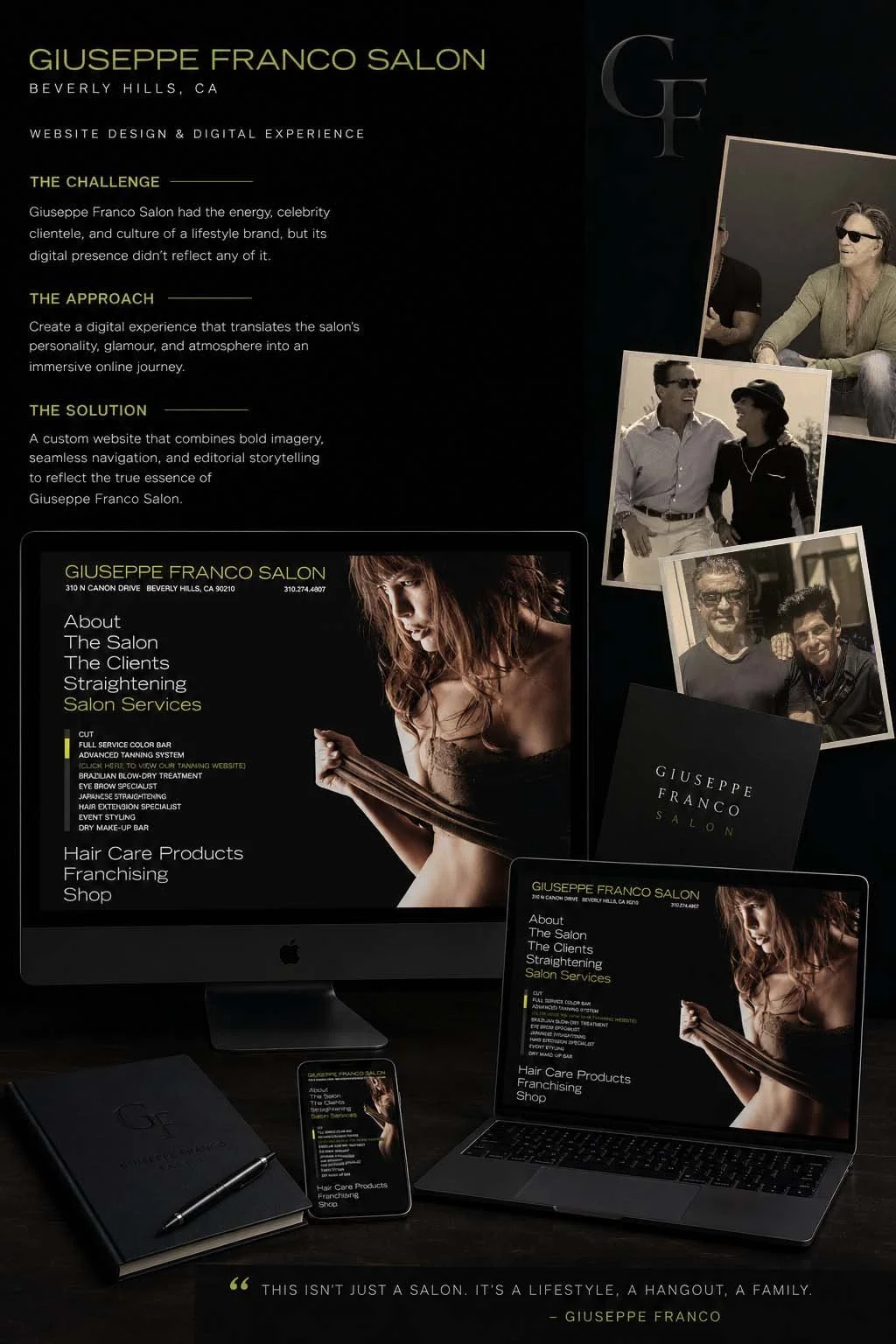
5. HAVING NO CONSISTENT BRAND VOICE
Storytelling is not only about words.
It also includes:
visuals
tone
branding
layout
photography
messaging consistency
If the website feels disconnected, the story becomes harder to trust.
WHEN SIMPLE STORYTELLING WORKS BEST
Most businesses do not need dramatic storytelling.
Simple usually works better.
Good website storytelling is often:
short
clear
honest
relatable
customer-focused
Even a few well-written sections can make a business feel far more memorable and trustworthy.
WHEN STORYTELLING BECOMES MORE IMPORTANT
A stronger brand story becomes valuable when:
Competition is high
Services are similar to competitors
Trust heavily affects conversions
Pricing is higher
Personal connection matters
Your brand is part of the buying decision
At that point, storytelling becomes part of the overall business strategy, not just the website copy.
A SIMPLE WAY TO THINK ABOUT IT
Information explains what a business does.
Storytelling explains why people should care.
One delivers facts.
The other creates connection.
FINAL THOUGHT
People are exposed to thousands of businesses online every day. Most are forgotten almost immediately.
Good storytelling helps a business feel more human, more memorable, and more trustworthy.
A website does not need a dramatic story to connect with people. But it does need personality, clarity, and a reason for visitors to care beyond just the services being offered.
Explore our Services and see how we build websites designed to connect with the right audience.